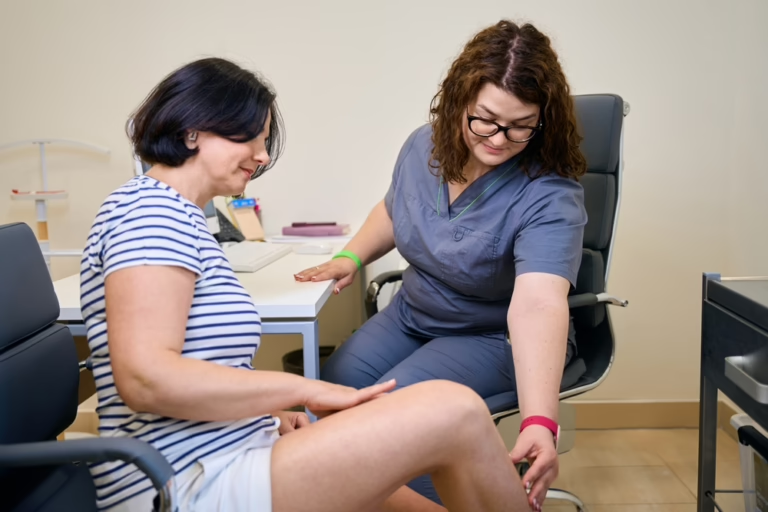
Spider veins affect millions of adults across the United States annually. These small, thin blood vessels that appear near the surface of the skin in red, blue, or purple clusters are often more than just a cosmetic concern; for many, they represent a source of self-consciousness or even mild physical discomfort. If you are seeking clinical relief, you likely wonder which procedure is used in spider vein treatment in East Hartford most effectively. Modern medical advancements have moved beyond simple concealment, offering several highly effective clinical options designed to eliminate these visible vessels entirely.
Sclerotherapy: The Gold Standard in Vein Treatment
Sclerotherapy remains the most widely accepted and time-tested medical method for addressing troublesome spider veins and small varicose veins. For decades, specialists have relied on this technique to help patients achieve clearer skin.
The Process
The clinical procedure involves injecting a specialized, FDA-approved chemical solution directly into the targeted damaged blood vessel. This solution, known as a sclerosant, acts by irritating the internal lining of the vein. This irritation causes the vessel to swell and effectively shut down. Over time, the body naturally absorbs the collapsed vein, transforming it into invisible scar tissue that eventually fades from view. Meanwhile, the body’s circulatory system intelligently reroutes blood through healthier, deeper veins.
What to Expect
Most patients report only mild physical sensations during the injection process. The medical needle used is exceptionally fine, significantly minimizing localized pain. A standard sclerotherapy session typically lasts between 15 and 30 minutes, allowing patients to easily fit treatment into a busy schedule.
Recovery and Results
Following the procedure, patients are generally advised to wear firm, medical-grade compression stockings for a few weeks. These garments maintain the necessary pressure to keep the treated veins sealed during the healing phase. While you can usually return to daily activities immediately, light walking is highly encouraged to promote healthy circulation.
It is important to maintain realistic expectations: results are not instantaneous. While smaller spider veins may show visual improvement within three to six weeks, larger formations can require up to four months to fully disappear. In many cases, patients require multiple sessions spaced several weeks apart to achieve their desired cosmetic outcome.
Comparing Treatment Paths: Where Do Veins Appear?
The physical location of your spider veins is the primary factor in determining the best treatment path.
- Facial Veins: Because facial skin is thin and delicate, clinicians often prefer light-based therapies to minimize the risk of bruising.
- Leg Veins: Leg veins endure significant hydrostatic pressure due to gravity. Consequently, these veins are often larger and respond better to the targeted, internal approach provided by sclerotherapy, which can address the vessel at a deeper level.
A qualified vascular specialist will evaluate the depth, diameter, and connectivity of your veins via ultrasound to guarantee the recommended procedure is both safe and effective for your specific anatomy.
Advanced Options: Radiofrequency Ablation
For slightly larger or more persistent venous issues, doctors may recommend radiofrequency (RF) ablation. While traditionally reserved for larger varicose veins, modern technology has introduced micro-needles that allow this method to treat stubborn spider veins with high-frequency electrical currents.
The intense, localized heat causes immediate vessel collapse. The major clinical advantage of RF ablation is its extreme precision, which minimizes the risk of thermal damage to adjacent skin. Most patients tolerate this procedure very well with the application of a topical numbing cream, making it a viable alternative if other methods have proven less than optimal.
The Importance of Professional Guidance
Choosing the right treatment path should always begin with a consultation with a board-certified dermatologist or a vascular surgeon.
- In-Depth Evaluation: Your specialist will review your medical history and perform a physical exam.
- Vascular Mapping: Utilizing advanced ultrasound technology allows the physician to map your blood flow patterns, identifying if your spider veins are symptomatic of an underlying issue like chronic venous insufficiency.
- Prioritization: You and your doctor will discuss your goals, your pain threshold, and the recovery requirements for each method.
Financial Planning and Aftercare
In the United States, spider vein treatment in Bloomfield is often categorized as an elective cosmetic procedure, meaning it may not be covered by insurance unless documented as medically necessary due to associated pain or health risks.
- Sclerotherapy: Costs generally range from $300 to $500 per session.
Most clinics offer financing options to help manage these costs. If you suffer from physical symptoms like aching or throbbing, gather your medical documentation; some providers may reconsider coverage if the veins are proven to interfere with your quality of life.
Post-Procedure Maintenance
Compression therapy is non-negotiable for long-term leg vein health. By applying graduated pressure, tightest at the ankle and lighter toward the calf, compression stockings help fight the effects of gravity, preventing treated veins from reopening and minimizing swelling during the recovery phase.
Long-Term Vascular Health: A Proactive Approach
While medical procedures can eliminate existing veins, they do not prevent new ones from forming. Maintaining vascular health requires a commitment to lifestyle adjustments:
- Weight Management: Reducing body weight decreases the mechanical pressure on your leg veins.
- Active Living: Cardiovascular exercise, particularly walking, strengthens the calf muscles, which act as a pump to keep blood moving efficiently.
- Positioning: Avoid standing or sitting for prolonged periods. If you have a desk job, set a timer to stand up and walk every hour.
- Elevation: At the end of the day, elevate your legs above your heart to allow gravity to assist in reducing venous pooling.
By combining professional clinical procedures with a proactive approach to lifestyle, you can effectively manage spider veins and maintain the health and appearance of your skin for years to come.
Which procedure is best for spider vein treatment? The answer depends on your specific needs, the location of the veins, and your clinical goals. To determine the best path forward, contact Vanishing Veins today.