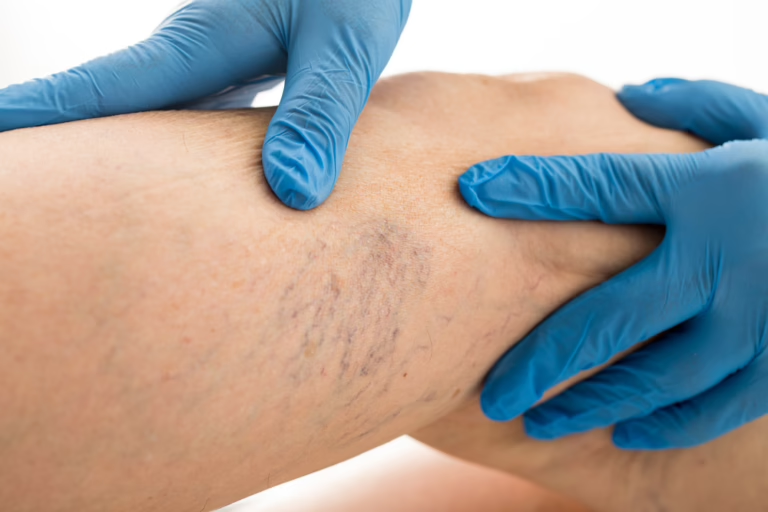
Many people view bulging leg veins as a simple cosmetic annoyance that they can ignore. You might notice a twisted, blue line on your calf and decide to cover it with long pants. However, choosing to ignore a varicose vein often leads to more significant health challenges down the road. These bulging vessels are signs of an underlying circulation problem that rarely improves without medical intervention. If you understand what happens if varicose veins are left untreated, you can make better decisions for your long-term health.
Your veins have the difficult job of pushing blood against gravity back to your heart. When the tiny valves inside a vein fail, blood flows backward and pools in the leg. This pressure creates the bulging varicose vein that you see on the surface of your skin. Leaving varicose veins untreated allows this pressure to build continuously over months and years.
The consequences of untreated varicose veins range from daily discomfort to serious medical emergencies. Single varicose veins can impact your overall vascular health, so seeking vein treatment in Longmeadow, MA early is the best strategy. Ignoring a varicose vein is a gamble with your mobility and comfort.
The Progression of Chronic Venous Insufficiency
Varicose veins are the most visible symptom of a condition known as chronic venous insufficiency. This disease is progressive, meaning it will get worse if you do not address it. A healthy vein moves blood efficiently, but a diseased varicose vein allows blood to stagnate. This stagnation increases the internal pressure within the leg veins.
Over time, this high pressure damages the walls of the varicose vein and the surrounding tissue. You might initially see only a few spider veins or one small varicose vein. However, chronic venous disease spreads strain to other vessels in the leg. One untreated varicose vein often leads to the development of many more varicose veins.
The circulation in your legs relies on a complex network of superficial and deep vessels. When a surface varicose vein fails, it places extra stress on the deeper system. Leaving varicose issues unresolved forces your body to compensate in ways that are not sustainable. Eventually, the signs of venous insufficiency become impossible to ignore.
Key Takeaways
- Varicose veins are a sign of progressive chronic venous insufficiency.
- Ignoring a varicose vein places stress on the surrounding vascular system.
- The condition worsens over time without professional medical intervention.
Physical Symptoms and Discomfort
The early stages of untreated varicose veins often involve manageable discomfort. You might feel heaviness in your legs after a long day of walking. However, as the varicose vein expands, the symptoms become more intrusive. Leg pain is a primary complaint for patients who have delayed treatment for a varicose vein.
Leg swelling, also known as edema, frequently occurs around the ankles and calves. The fluid buildup results from the inability of the varicose vein to move blood upward. This swelling can make your shoes feel tight and cause throbbing pain. Untreated varicose veins increase the likelihood of persistent swelling that does not go away with rest.
Another disturbing symptom associated with varicose veins is restless leg syndrome (RLS). Patients often report an uncontrollable urge to move their legs, especially at night. This condition is frequently linked to the poor circulation caused by a varicose vein. Burning sensations and itching around the varicose vein are also common signs that the vein is inflamed.
Skin Changes and Dermatitis
As pressure remains high within the varicose vein, red blood cells may leak into the surrounding tissue. This leakage causes the skin to darken and become discolored, a condition called hyperpigmentation. A varicose vein creates chronic inflammation that irritates the skin from the inside out. This can lead to venous eczema, where the skin over the varicose vein becomes red, scaly, and itchy.
If you keep leaving varicose veins untreated, the skin can become thick and hard. This texture change, known as lipodermatosclerosis, indicates severe venous disease. The skin loses its flexibility and becomes prone to injury. Treating the varicose vein at this stage is critical to prevent further tissue damage.
The Risk of Leg Ulcers
One of the most severe consequences of untreated varicose veins is the development of leg ulcers. These open wounds typically form near the ankle on the inside of the leg. The high pressure from a varicose vein prevents oxygen and nutrients from reaching the skin. Eventually, the skin breaks down, creating a painful ulcer that is very slow to heal.
Leg ulcers are prone to infection and can significantly impact your quality of life. They require constant care and dressing changes to manage the wound. The underlying cause is the varicose vein that is not functioning correctly. Unless a vein doctor treats the varicose vein, the ulcer will likely return even if it heals temporarily.
Patients with varicose veins must be vigilant about any cuts or scrapes on their legs. Due to poor circulation, even minor injuries over a varicose vein can turn into major ulcers. Addressing the varicose vein early prevents this painful complication. Vein treatment is the only way to restore proper blood flow and allow the skin to heal.
Warning
Venous leg ulcers are difficult to cure without addressing the underlying vein disease. If you notice skin discoloration near your ankle, consult a specialist immediately.
Dangerous Clotting: DVT and Phlebitis
The stagnant blood inside a varicose vein is prone to clotting. Superficial thrombophlebitis occurs when a blood clot forms in a vein close to the skin’s surface. This condition causes the varicose vein to become red, hot, and extremely tender to the touch. While painful, superficial clots in a varicose vein are generally less dangerous than deep clots.
However, untreated varicose veins can also increase the risk of deep vein thrombosis (DVT). A DVT is a clot that forms in a deep vein within the muscle. If a clot in a deep vein breaks loose, it can travel to the lungs. This event is called a pulmonary embolism and is a potential life-threatening condition.
Studies suggest a link between severe varicose veins and an increased risk of DVT. The blood clots that form in varicose veins can occasionally extend into the deep vein system. Anyone with large varicose veins should be aware of vein thrombosis symptoms. Sudden swelling or intense pain in one leg warrants immediate medical attention.
Spontaneous Bleeding
The skin covering a large varicose vein can become very thin and fragile. Because there is high pressure inside the varicose vein, a minor bump against furniture can cause significant bleeding. This spontaneous bleeding from a varicose vein can be alarming because it is difficult to stop. The blood in the varicose vein is under higher pressure than normal venous blood.
If you experience bleeding from a varicose vein, you must elevate your leg and apply firm pressure. This is a clear sign that your varicose veins’ untreated status has reached a critical point. You should see a healthcare provider as soon as possible to treat the varicose vein. Preventing future bleeding episodes requires removing or closing the problematic varicose vein.
Modern Vein Treatments
The good news is that varicose vein treatments in Hartford, CT have advanced significantly in recent years. You no longer need to fear painful stripping surgeries to fix a varicose vein. Most modern vein treatments are a minimally invasive procedure performed in an office setting. A vein doctor can treat a varicose vein in less than an hour.
One common option is radiofrequency ablation, which uses heat to close the damaged varicose vein. Another effective treatment involves using a medical adhesive to seal the varicose vein shut. For bulging surface veins, an ambulatory phlebectomy removes the varicose vein through tiny incisions. These methods redirect blood flow into healthy leg veins.
Minimally invasive techniques mean you can return to normal activities quickly. There is no reason to fear the recovery process for a varicose vein procedure. Addressing the issue early prevents the complications of untreated varicose vein disease. Whether you have spider veins or large ropes, there is a solution.
Key Takeaways
- Modern treatments are minimally invasive and require little downtime.
- Deep vein thrombosis is a serious risk of ignoring varicose veins.
- Treating the vein restores healthy blood circulation to the legs.
Why You Should Not Wait
Every day that you ignore a varicose vein, the damage to your vascular system continues. Varicose veins do not heal themselves. A small varicose vein will likely grow larger and more painful. Untreated varicose veins can eventually restrict your ability to exercise or stand for long periods.
Many patients wait until they have leg syndrome symptoms or ulcers before seeing a doctor. By that time, the varicose vein has caused significant damage to the skin and tissue. Treating a varicose vein early is much easier than managing long-term complications. You can avoid the risk of blood clots and ulcers by being proactive.
If you have a family history of varicose veins, you should be extra vigilant. Monitor your legs for any new spider veins or bulging areas. If you spot a varicose vein, schedule a consultation. Vein treatment is about maintaining your health, not just your appearance.
Conclusion
Understanding what happens if varicose veins are left untreated is the first step toward better health. A varicose vein is a signal that your circulatory system needs help. From leg pain and swelling to the risk of deep vein thrombosis, the consequences of inaction are real. Varicose veins can transform from a cosmetic nuisance into a serious medical issue.
You do not have to live with the discomfort of a varicose vein. Vein treatment options are safe, effective, and readily available. Do not wait for leg ulcers or blood clots to form before you act. Take control of your vascular health and contact Vanishing Veins today.