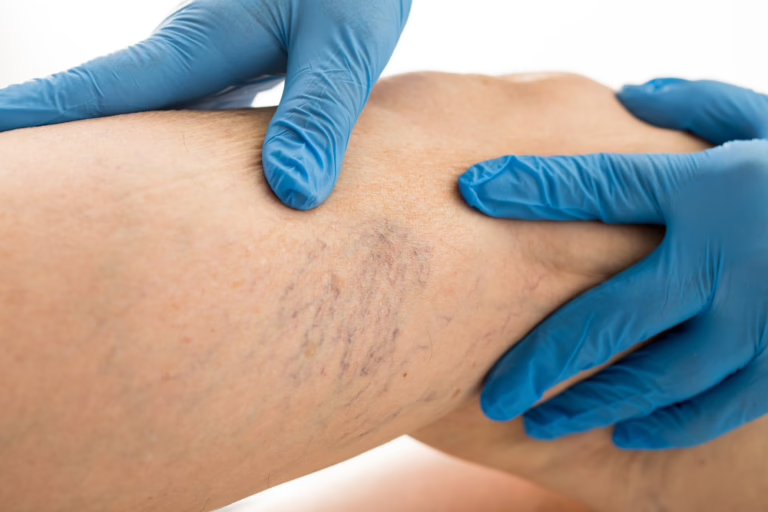
You scheduled your sclerotherapy treatment, followed every pre-procedure instruction perfectly, and left the office feeling optimistic about finally addressing those spider veins. Then three days later, you’re staring at purple and yellow patches across your legs that look worse than the veins you came to fix.
Meanwhile, your friend had the same procedure and barely showed a mark. The variability in bruising after sclerotherapy isn’t random, and understanding why it happens can ease the anxiety that comes with an unexpected rainbow of discoloration on your skin.
Understanding Normal Post-Sclerotherapy Bruising
Bruising after sclerotherapy is a common and typically harmless side effect that affects patients differently. When the sclerosing solution is injected into spider veins or small varicose veins, it causes intentional inflammation that makes the vein walls swell and stick together. This process, while therapeutic, can cause blood to leak into surrounding tissue, creating visible bruising.
The bruises you see aren’t a sign that something went wrong. They’re evidence that your body is responding to treatment and beginning the healing process. The injected veins are collapsing as intended, and your body is working to reabsorb them. However, the intensity, duration, and pattern of bruising vary significantly from person to person based on multiple biological and lifestyle factors.
Most patients develop some degree of bruising, ranging from light discoloration barely noticeable to darker purple patches that can last several weeks. The good news is that bruising severity doesn’t correlate with treatment effectiveness. Someone with minimal bruising and someone with extensive discoloration can both achieve excellent long-term results in eliminating their spider veins.
Biological Factors That Affect Bruising
Your individual physiology plays the largest role in determining how much you’ll bruise after sclerotherapy in Longmeadow or elsewhere. These factors are largely out of your control but help explain why your experience differs from others.
Skin characteristics significantly influence visible bruising:
- Fair skin shows bruising more prominently than darker skin tones, even when the actual tissue damage is identical
- Thin skin, which becomes more common with aging, offers less cushioning between blood vessels and the surface
- Naturally fragile capillaries in some people allow blood to leak more easily into surrounding tissue
- Genetic variations in collagen production affect how well your blood vessels maintain their integrity
Age is another major factor. As we get older, our skin loses elasticity and our blood vessels become more fragile. Someone in their 60s will almost always bruise more extensively than someone in their 30s receiving identical treatment. Hormonal fluctuations also impact bruising patterns. Women often notice they bruise more easily during certain phases of their menstrual cycle, particularly in the week before menstruation when estrogen levels drop.
Medications and Supplements That Increase Bruising
What you put into your body has a direct impact on how much you’ll bruise after sclerotherapy. Many common medications and supplements affect blood clotting and vessel fragility.
Here’s a comparison of common substances and their bruising impact:
| Substance | Bruising Risk | Should You Stop? |
| Aspirin | High | Discuss with doctor |
| Ibuprofen/NSAIDs | Moderate to High | Stop 7-10 days before if approved |
| Fish Oil | Moderate | Stop 1-2 weeks before |
| Vitamin E | Moderate | Stop 1-2 weeks before |
| Blood Thinners (Warfarin, Xarelto) | Very High | Never stop without medical approval |
| Garlic Supplements | Low to Moderate | Consider stopping |
Blood thinners deserve special attention. If you take prescription anticoagulants for medical conditions, you should never stop these medications for cosmetic vein treatment. However, you should inform your vein specialist about all blood-thinning medications so they can adjust their injection technique and set appropriate expectations.
Over-the-counter pain relievers are more flexible. Many vascular surgeons recommend stopping aspirin and ibuprofen 7 to 10 days before sclerotherapy if medically safe. These medications inhibit platelet function, which is your blood’s natural clotting mechanism. Herbal supplements like fish oil, vitamin E, and ginkgo biloba also affect clotting to varying degrees.
Lifestyle Factors That Contribute to Bruising
Your daily habits and health status also influence post-sclerotherapy bruising. Alcohol consumption dilates blood vessels and impairs clotting function. Avoiding alcohol for 48 hours before your procedure and several days after can minimize bruising. Physical activity timing matters significantly too. Vigorous exercise immediately before treatment increases blood flow and vessel dilation, potentially worsening bruising.
Hydration levels influence blood viscosity and circulation. Well-hydrated patients typically experience less bruising because properly hydrated blood flows more smoothly and clots more effectively. Nutritional status also affects tissue healing and vessel integrity, though severe deficiencies are uncommon. Chronic health conditions including diabetes and certain autoimmune disorders can affect healing and increase bruising likelihood.
The Role of Treatment Technique
While patient factors dominate bruising outcomes, the skill and technique of your vein specialist in Glastonbury also matter. Injection technique affects bruising in several ways. The needle size, injection angle, solution concentration, and volume injected all influence tissue trauma. A skilled practitioner uses the finest possible needles and precise injection techniques that minimize unnecessary punctures.
The type and concentration of sclerosing solution also plays a role. Different formulations have varying degrees of tissue reactivity. Your doctor chooses solutions based on the size and type of veins being treated, but individual patient responses vary. Ultrasound-guided sclerotherapy allows for more precise needle placement, potentially decreasing bruising compared to blind injection techniques.
Managing and Minimizing Bruising
Understanding why you bruise is helpful, but knowing how to manage and reduce bruising provides practical benefit.
Pre-treatment preparation includes:
- Stop blood-thinning supplements at least one to two weeks before treatment if medically safe
- Avoid NSAIDs like ibuprofen for 7 to 10 days before your procedure
- Reduce alcohol consumption in the 48 hours before treatment
- Stay well-hydrated in the days leading up to your appointment
- Eat a nutrient-rich diet with adequate protein and vitamins
After your sclerotherapy treatment, following post-procedure instructions carefully makes a significant difference. Wearing compression stockings as directed helps prevent blood from pooling in treated areas and reduces bruising. Arnica montana, a homeopathic remedy, is popular among patients for reducing bruising. Avoiding hot baths, saunas, and hot tubs for several days after treatment prevents excessive blood vessel dilation that can worsen bruising.
When Bruising Becomes a Concern
While bruising after sclerotherapy is normal, certain patterns warrant medical attention. Normal bruising typically peaks within three to seven days and gradually fades to yellow-brown before disappearing completely within two to four weeks. Any bruising that worsens after the first week or shows signs of infection requires evaluation.
Warning signs that bruising might indicate a problem include increasing pain, warmth, redness beyond the bruised area, swelling that continues expanding, or fever. These symptoms could indicate superficial thrombophlebitis or infection, though both complications are relatively rare.
Hyperpigmentation, or darkening of the skin along the treated vein path, differs from bruising. This brownish discoloration can persist for months but often fades significantly over six months to a year.
Quick Answers About Post-Sclerotherapy Bruising
How long will my bruising last after sclerotherapy?
Most bruising resolves within two to four weeks. Fair-skinned individuals and those on blood thinners may see bruising persist for up to six weeks. The bruises typically change from purple to green to yellow as they heal.
Can I do anything to speed up bruise healing?
Wear compression stockings as directed, avoid blood-thinning medications if approved by your doctor, stay active with gentle walking, and consider arnica supplements. Adequate hydration and nutrition support healing as well.
Will my bruising look worse before it looks better?
Yes, bruising often appears most dramatic three to five days after treatment as blood products continue dispersing through tissue. After that peak, you should see steady improvement.
Should I be concerned if I bruise more than my friend did?
No, bruising variability is completely normal and doesn’t reflect treatment quality or effectiveness. Individual factors like skin tone, age, medications, and genetics cause these differences.
Setting Realistic Expectations
Managing your expectations before sclerotherapy treatment reduces anxiety about normal post-procedure changes. Bruising is common, temporary, and doesn’t diminish the excellent long-term results that sclerotherapy provides for spider veins and small varicose veins.
If you’re considering sclerotherapy and concerned about bruising, discuss your specific risk factors with your vascular surgeon during your consultation. An experienced specialist can assess your individual situation, review your medications, and provide personalized guidance. Remember that treating your spider veins improves both appearance and comfort in the long term, even if the short-term healing process includes some discoloration.
At Vanishing Veins, our team understands that post-treatment concerns like bruising can cause anxiety. Contact Vanishing Veins to schedule your consultation and learn more about what to expect during your personalized treatment journey.